

Cold plunges, breathwork classes and sound baths have become the wellness trend of 2026, and plenty of people now describe them as “my therapy”. The honest picture is more limited. Cold water and slow breathing produce real, short-term changes in the nervous system that can lift mood and reduce tension for a few hours. They do not treat depression, anxiety disorders or trauma, and the research comparing them with actual therapy barely exists. This guide explains what these practices do, what they cannot do, how to try them safely, and when the couch is still the right call.
- Cold water immersion reliably triggers a stress response followed by a mood lift that lasts a few hours. Long-term mental health benefits are unproven.
- Slow breathing has the best evidence of the three for reducing anxiety symptoms, and it is free.
- Sound baths are relaxing for many people; the research is small and mostly measures how people feel right afterwards.
- None of these replaces talking therapy or medication for a diagnosed condition. They can sit alongside it.
- Cold immersion carries real risks for people with heart conditions, high blood pressure or a history of fainting.
Table of Contents
Why the trend took off
Three things happened at once. Therapy became harder to access, with long waits and high private fees in most countries. Social media filled with videos of people gasping in ice tubs and describing euphoria. And a body of research on the vagus nerve, breathing and cold exposure gave the trend a scientific-sounding vocabulary. “Somatic” practices, meaning anything that works through the body rather than through talking, now cover everything from a cold shower to a gong session.
The appeal is understandable. These practices are immediate, physical and often social. A 45-minute therapy session that asks you to sit with difficult feelings is a harder sell than a 3-minute plunge that leaves you buzzing. But “feels good afterwards” and “treats the problem” are different claims, and the marketing tends to blur them.
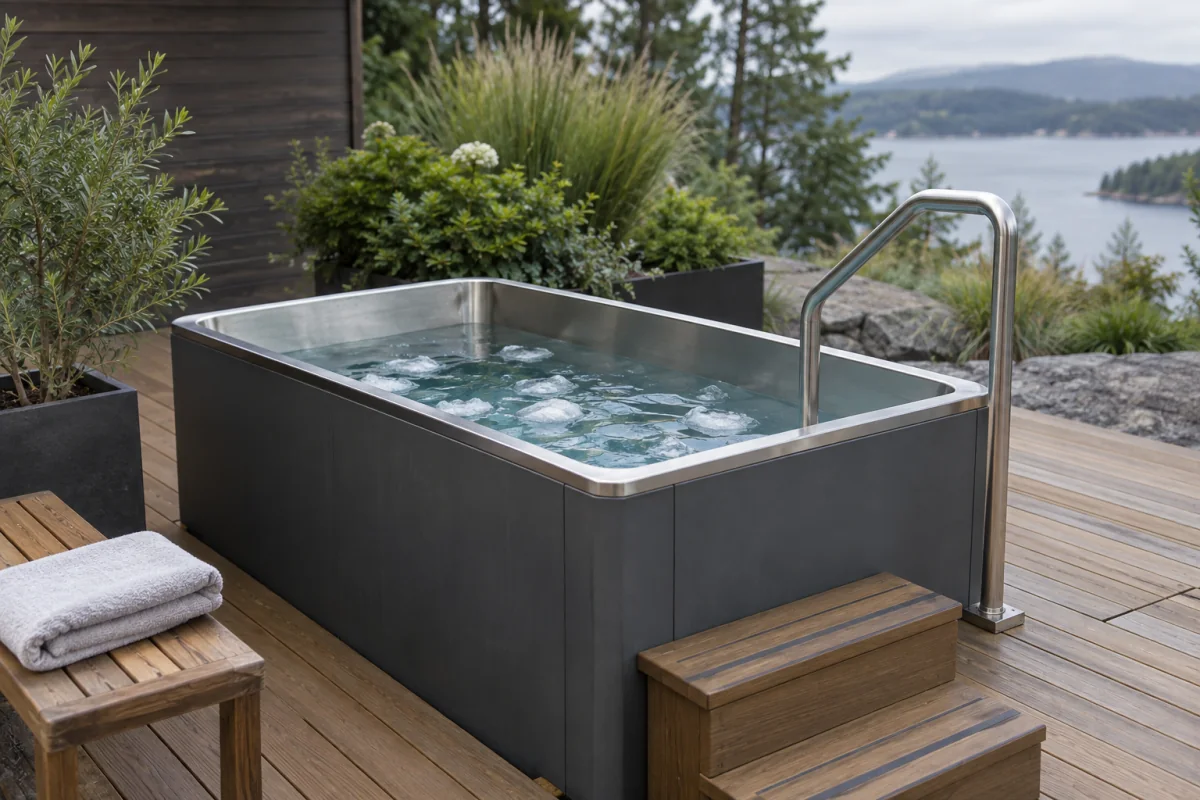
Cold plunges: what actually happens
Immersing the body in cold water (usually 10 to 15 degrees Celsius) causes an immediate surge of adrenaline and noradrenaline, a sharp rise in heart rate and breathing, and, within minutes, a rise in dopamine that can last a couple of hours. That is the “high” people describe. Repeated exposure blunts the shock response, which some researchers think trains a calmer reaction to stress in general. That idea is plausible but has not been tested properly in people with mental health conditions.
What the research supports so far:
- Short-term improvements in mood and alertness after a plunge, measured in small studies of healthy volunteers.
- Some evidence of reduced muscle soreness after exercise, which is where most of the cold-water science lives.
- A handful of case reports and one small trial suggesting benefit for depressive symptoms, none of them large or long enough to draw conclusions from.
What it does not support: claims that cold water “rewires” trauma, replaces antidepressants or resolves anxiety disorders.
The risks are not theoretical
Cold shock can cause uncontrolled gasping and a spike in blood pressure. Entering cold water without acclimatisation has caused drownings and cardiac events in otherwise healthy people. Prolonged immersion leads to hypothermia, which the Mayo Clinic notes can develop faster in water than most people expect. If you have a heart condition, arrhythmia, uncontrolled high blood pressure, Raynaud’s, or are pregnant, cold immersion is a conversation with a doctor first, not a weekend experiment.
If you want to try it safely
- Start with cold showers: 30 seconds of cold at the end of a normal shower, building up over two weeks.
- Never plunge alone, and never in open water without knowing the exit.
- Enter slowly and exhale as you go in; the gasp reflex is easier to control on an out-breath.
- Keep first sessions to one or two minutes. There is no evidence that longer is better for mood.
- Get out at the first sign of numbness in hands or feet, shivering you cannot control, or confusion.
- Warm up gradually with dry clothes and movement, not a hot shower straight after.

Breathwork: the one with real evidence
Slow, controlled breathing is the least glamorous of the three and the best supported. Breathing at around six breaths per minute, with a longer exhale than inhale, increases activity in the parasympathetic nervous system and measurably lowers heart rate and blood pressure within minutes. Trials in people with anxiety, and in people with high stress but no diagnosis, show modest but consistent reductions in symptoms after a few weeks of daily practice. The National Center for Complementary and Integrative Health summarises the evidence for relaxation techniques including breathing as helpful for anxiety and stress, with the caveat that they are usually studied as an addition to standard care.
Two techniques cover most needs:
- Extended exhale: breathe in through the nose for four counts, out through the mouth for six to eight. Five minutes, any time.
- Box breathing: in for four, hold four, out four, hold four. Good for focus before something stressful.
Some commercial “breathwork” classes use rapid, forceful breathing for extended periods. That produces light-headedness, tingling and sometimes intense emotional release through hyperventilation. It is not the same as slow breathing and it can trigger panic in people prone to it. Our five-minute breathing exercises stick to the slow, evidence-based versions.
Sound baths: pleasant, lightly studied
A sound bath is a session, usually 45 to 60 minutes, where you lie down while someone plays singing bowls, gongs or chimes. Small studies report reduced tension and improved mood immediately afterwards, and participants often describe it as the first time they have relaxed in months. Nobody has shown lasting effects on anxiety or depression, and the studies rarely have a proper control group. It is best understood as guided rest with a soundtrack: valuable if you never otherwise stop, harmless for almost everyone, and not a treatment.
People with certain hearing conditions, tinnitus or epilepsy triggered by sound should check with a doctor before attending.
Where the couch still wins
Talking therapies, particularly cognitive behavioural therapy, have decades of trials behind them for anxiety and depression. The World Health Organization lists psychological treatment as a first-line option for depression, alongside medication for moderate to severe cases. Nothing in the somatic toolkit comes close to that evidence base.
Signs that you need a professional rather than a plunge:
- Low mood or anxiety most days for more than two weeks.
- Sleep, appetite or concentration changes that are affecting work or relationships.
- Panic attacks, or avoiding places and situations because of fear.
- Flashbacks, nightmares or feeling numb after a traumatic event.
- Any thoughts of harming yourself. Contact a doctor or crisis line today.
Persistent exhaustion that feels like more than stress may be burnout or depression, and telling them apart matters for what helps. See signs of burnout versus depression.
Who this is not for
Cold immersion is not for anyone with a heart condition, arrhythmia, uncontrolled high blood pressure, Raynaud’s, epilepsy or a history of fainting, nor for pregnant women, without a doctor’s go-ahead. Forceful breathwork styles are not for people with panic disorder, epilepsy or heart problems. And none of the three is for someone with a diagnosed mental health condition who is using them instead of treatment rather than alongside it.
Using both: a sensible combination
The realistic role of cold water, breathing and sound is as maintenance and as a bridge. Many therapists actively recommend slow breathing between sessions. A cold shower can be a useful pattern-interrupt on a low morning. A sound bath can be the one hour a week you fully rest. None of that competes with therapy; it fills the gaps around it.
| Practice | What it is good for | Evidence level | Main caution |
|---|---|---|---|
| Cold immersion | Short mood lift, alertness, post-exercise soreness | Low to moderate, short-term only | Heart, blood pressure, drowning risk |
| Slow breathing | Reducing anxiety symptoms, calming before sleep | Moderate, consistent | Avoid forceful hyperventilation styles if panic-prone |
| Sound bath | Deep rest, tension relief in the moment | Low, small studies | Hearing conditions, cost |
| Talking therapy | Depression, anxiety disorders, trauma | High, decades of trials | Access and cost |
Common mistakes
- Treating the post-plunge high as proof of recovery. It is a dopamine rise that fades in hours.
- Stopping medication or therapy because a practice “feels like enough”. Discuss any change with the prescriber.
- Chasing intensity: colder, longer, faster breathing. The benefits, where they exist, come from regular moderate practice.
- Paying for premium versions of free things. A cold shower and a timer deliver most of what a studio does.
- Using these practices to avoid a problem that needs talking about. Being calmer in the body helps; it does not resolve a difficult relationship or a grief.
If the wider habit of reaching for your phone for the next fix is part of the picture, the results people report from a social media detox are worth reading alongside this.
Frequently asked questions
Can ice baths replace therapy?
No. There are no trials showing cold immersion treats depression, anxiety disorders or trauma. It can improve mood for a few hours and may be a useful habit alongside treatment.
How cold and how long should a plunge be?
Studies mostly use 10 to 15 degrees Celsius for one to five minutes. Beginners should start with 30 to 60 seconds and build slowly. Longer sessions increase hypothermia risk without evidence of extra mental benefit.
Is breathwork safe for everyone?
Slow breathing at around six breaths a minute is safe for almost everyone. Rapid, forceful styles can cause fainting and panic and should be avoided by people with heart conditions, epilepsy, pregnancy or panic disorder unless supervised by a clinician.
Do sound baths do anything?
People usually feel calmer immediately afterwards, and that is worth something. Lasting effects on mental health have not been demonstrated.
What should I try first if I cannot afford therapy?
Daily slow breathing, regular daylight and exercise, and a fixed sleep schedule have the best evidence of the free options. Many countries also offer low-cost or free counselling through public health services and charities; a family doctor can point you to them.