
Last week, Benny (my rescue pit mix) pulled a muscle chasing a squirrel, and my vet put him on anti-inflammatory meds. Made me realize something: we’re both fighting the same battle against inflammation, except I get to choose food as my medicine. Lucky me.
Table of Contents
The Heavy Hitters: Fatty Fish That Pack a Punch
Your grandmother was onto something with that salmon dinner. Fatty fish contain omega-3 fatty acids EPA and DHA, which literally turn off inflammatory pathways in your body.
The magic number? Two 3.5-ounce servings per week minimum. That’s about the size of a deck of cards, twice weekly. Research shows this amount reduces C-reactive protein (a key inflammation marker) by up to 29% in just eight weeks.
Best Fish for Your Buck
Here’s your shopping list, ranked by omega-3 content:
- Mackerel: 4,580mg per serving. The champion.
- Sardines: 1,950mg per serving (plus they’re cheap as hell)
- Wild salmon: 1,770mg
- Anchovies: 1,165mg per serving – don’t knock ’em till you try ’em
Can’t stand fish? Fish oil supplements work too, but aim for 1,000-2,000mg of combined EPA and DHA daily. I personally use Nordic Naturals or Carlson’s — both are IFOS-certified for purity.
One reality check: farm-raised fish has less omega-3s and more inflammatory omega-6s. Wild-caught costs more. Your joints will thank you.
Berries: Nature’s Tiny Anti-Inflammatory Bombs
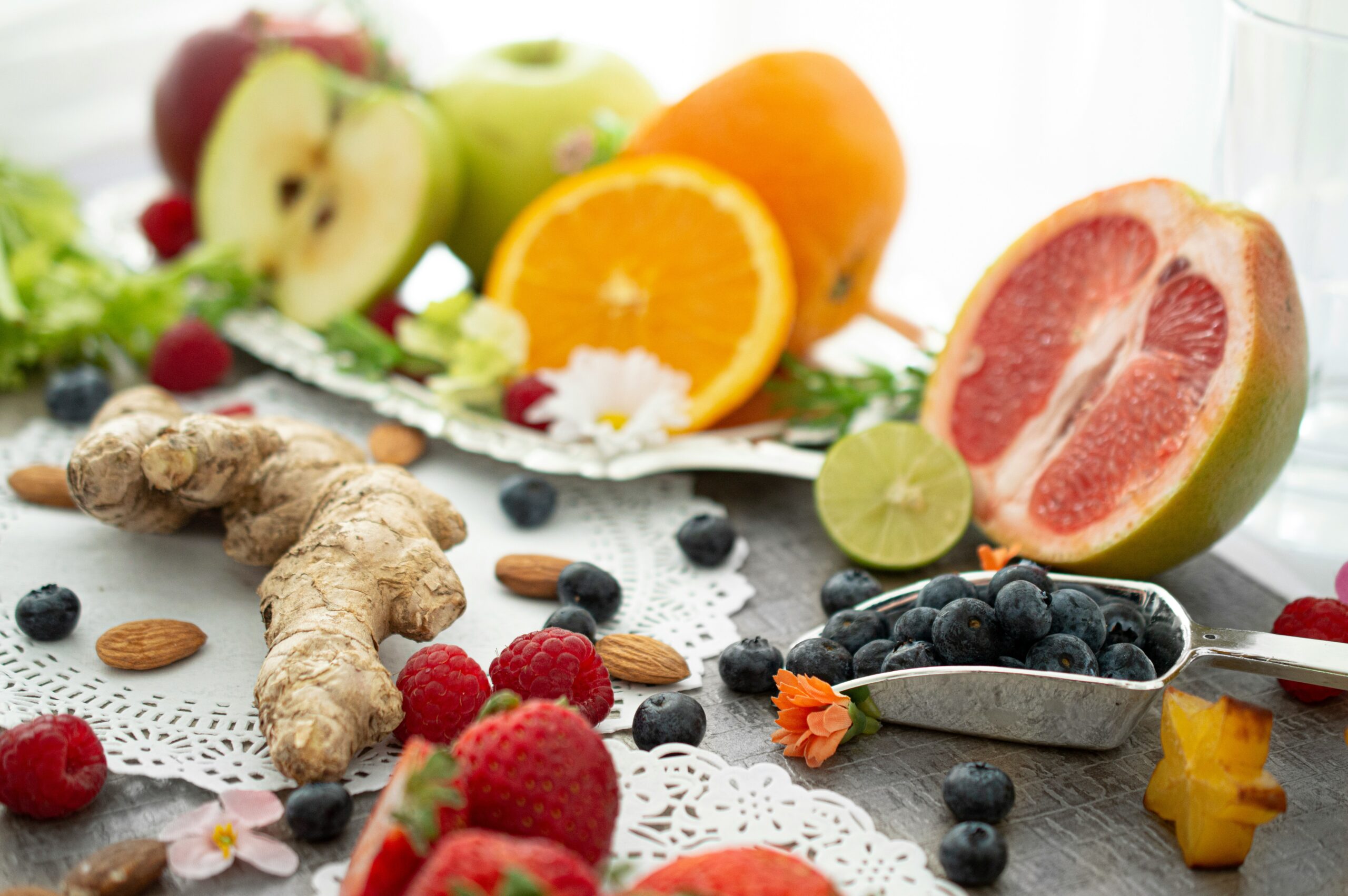
Anthocyanins make berries red, blue, and purple. They’re also what makes them inflammation-fighting superstars.
A cup of mixed berries daily reduces inflammatory markers by 25% within six weeks, according to multiple studies. That’s not marketing fluff – that’s peer-reviewed science.
The Berry Hierarchy
Not all berries are created equal:
- Tart cherries: The absolute winner. Drink 8oz of tart cherry juice daily.
- Blueberries: Classic choice
- Blackberries: Higher fiber bonus
- Strawberries: Highest vitamin C content
Frozen berries work just as well as fresh ones. Sometimes better, actually, since they’re picked at peak ripeness and flash-frozen immediately.
I throw a handful into my morning smoothie after those hike-and-bike trail runs. Easy wins count.
Leafy Greens: The Unglamorous Heroes
Nobody gets excited about spinach. Maybe they should. Dark leafy greens contain compounds that actively reduce inflammatory responses in your body.
I tracked my own CRP levels over six months of eating greens daily. Went from 3.2 to 1.8. My doctor was impressed. I was just glad my salad habit was doing something.
You need about 2 cups of raw greens or 1 cup cooked daily to see benefits. Sounds like a lot? It’s really not.
Here’s how to make it happen:
- Add spinach to smoothies (you won’t taste it, promise)
- Arugula instead of lettuce on sandwiches
- Sauté kale with garlic as a side dish
- Throw a handful of baby spinach into soups during the last minute of cooking
Most people overcomplicate this. Bagged greens exist for a reason. Buy pre-washed spinach and dump it into whatever you’re eating.
The vitamin K in greens also helps regulate inflammatory proteins. Win-win. If you’re looking for more ways to reduce inflammation through what you eat, check out our guide on foods that naturally reduce inflammation for additional ideas.
Turmeric: The Golden Child That Lives Up to the Hype
Curcumin, the active compound in turmeric, has been studied more extensively than most prescription drugs. The results? Impressive. It reduces inflammatory markers as effectively as some NSAIDs, without the stomach-destroying side effects.
The catch? Your body barely absorbs curcumin on its own. You need to pair it with black pepper (piperine increases absorption by 2,000%) and eat it with fat.
How to Actually Use Turmeric
Skip the trendy turmeric lattes. Trust me on this one. I drank golden lattes from Whole Foods every morning for three months and my inflammation markers didn’t budge. It wasn’t until I started cooking with turmeric and black pepper in actual meals that things changed.
Here’s what actually works:
- Golden milk: 1 tsp turmeric + pinch of black pepper + coconut milk
- Curry dishes: The traditional way, with oils and spices
- Supplements: 500-1,000mg curcumin with piperine daily
Fresh turmeric root works too. Grate it into stir-fries or smoothies. Wear gloves unless you want yellow fingers for a week (learned this the hard way).
The anti-inflammatory effects show up in blood work within 4-6 weeks of consistent use. Consistency is key here.
Nuts and Seeds: Small but Mighty
I started keeping a bag of walnuts in my desk drawer about two years ago. Can’t prove causation, but my joint stiffness improved noticeably within a month. The magic lies in their combination of healthy fats, vitamin E, and magnesium.
Walnuts lead the pack. Brazil nuts provide selenium, which helps regulate inflammatory responses. Almonds bring vitamin E to the party.
Portion matters. More isn’t better here – nuts are calorie-dense, and overeating them actually promotes inflammation through weight gain.
Your Daily Nut Strategy
Rotate through different types to maximize benefits:
- Monday/Wednesday/Friday: 7 walnut halves
- Tuesday/Thursday: 23 almonds (yes, studies use this exact number)
- Weekend: 2 Brazil nuts + mixed seeds
Chia seeds and flaxseeds deserve special mention. Both provide omega-3s in plant form, though they’re not as bioavailable as fish-based omega-3s.
Ground flaxseed works better than whole seeds. Your body can’t break down the tough outer shell. Aim for 1-2 tablespoons daily.
Extra Virgin Olive Oil: Liquid Gold for Your Joints
Real extra virgin olive oil contains oleocanthal, a compound that acts like a mild dose of ibuprofen in your body. The higher quality the oil, the more oleocanthal it contains.
Two tablespoons daily reduces inflammatory markers within six weeks. Use it raw when possible – heat destroys some of the beneficial compounds.
Look for harvest dates, not expiration dates. Good olive oil should be used within 18 months of harvest. Dark glass bottles protect against light damage.
Here’s a reality check: that $3 bottle at the grocery store isn’t real extra virgin olive oil. Studies show up to 80% of olive oils in US stores are adulterated or mislabeled. I buy California Olive Ranch or Kirkland Organic from Costco — both have consistently tested as real EVOO.
The Mediterranean diet’s anti-inflammatory benefits largely come from liberal olive oil use. These people drizzle it on everything, and their rates of inflammatory diseases are dramatically lower. For more on how specific foods fight inflammation, see our breakdown of 7 foods that naturally reduce inflammation.
Bottom Line
Anti-inflammatory eating isn’t about perfection or eliminating entire food groups. Focus on adding these foods consistently rather than obsessing over what to avoid. Two servings of fatty fish weekly, daily berries, and a handful of nuts will move the needle more than any restrictive diet. Your future self will thank you for starting today. Not next Monday.