
An anti-inflammatory breakfast in under ten minutes is mostly a matter of keeping the right things in the kitchen: oats, eggs, plain yoghurt, nuts, seeds, berries or seasonal fruit, leafy greens and a few spices. Built from those, a bowl of overnight oats, a vegetable omelette or a yoghurt and fruit bowl comes together faster than toast and jam and gives you fibre, omega-3 fats, polyphenols and protein instead of refined flour and sugar. This guide gives you ten breakfasts with timings and swaps, the ingredients that earn their place, what the evidence actually supports, and the mistakes that turn a healthy bowl into a sugar bomb.
Table of Contents
- 1 Key takeaways
- 2 What “anti-inflammatory” means for food
- 3 The ingredients worth keeping in stock
- 4 Ten breakfasts under ten minutes
- 4.1 1. Overnight oats with berries and walnuts (2 minutes in the morning)
- 4.2 2. Spinach and tomato omelette (5 minutes)
- 4.3 3. Yoghurt bowl with seeds and fruit (3 minutes)
- 4.4 4. Sardines on toast (4 minutes)
- 4.5 5. Vegetable upma with peanuts (10 minutes)
- 4.6 6. Moong dal chilla (8 minutes with soaked dal)
- 4.7 7. Green smoothie (3 minutes)
- 4.8 8. Avocado or hummus toast with seeds (4 minutes)
- 4.9 9. Warm turmeric porridge (5 minutes)
- 4.10 10. Poha with vegetables and peanuts (10 minutes)
- 5 Batch prep that makes the 10-minute promise real
- 6 What to leave off the plate
- 7 Common mistakes
- 8 Who this is not for
Key takeaways
- Fibre, omega-3 fats, colourful fruit and vegetables, nuts, olive oil and spices such as turmeric and ginger are the ingredients with the best evidence for lower inflammation markers.
- Refined carbohydrates, added sugar and processed meat at breakfast push the other way.
- Ten minutes is enough if you batch-prep once or twice a week: soak oats, boil eggs, wash greens.
- Diet influences long-term inflammation modestly and as a pattern. No single breakfast treats a condition.
- Persistent joint pain, swelling, fatigue or digestive symptoms need a doctor, not a recipe.
What “anti-inflammatory” means for food
Chronic low-grade inflammation is a persistent, low-level immune activity that is associated with heart disease, type 2 diabetes and several other long-term conditions. Blood tests such as C-reactive protein measure it. Dietary patterns rich in plants, fibre, unsaturated fats and fish are consistently associated with lower levels of these markers, while patterns high in refined carbohydrate, sugar and processed meat are associated with higher levels.
The evidence is strongest for the overall pattern, which is essentially the Mediterranean approach, rather than for individual “superfoods”. Turmeric and ginger have some supporting studies, mostly on extracts at doses higher than food provides; the National Center for Complementary and Integrative Health gives a balanced summary of what turmeric research does and does not show. Omega-3 fats from fish, walnuts and flaxseed are better supported, as the NIH Office of Dietary Supplements fact sheet details. Treat breakfast as one meal that nudges the pattern in the right direction, not as medicine.
The ingredients worth keeping in stock
| Ingredient | Why it helps | How to use it fast |
|---|---|---|
| Rolled oats | Beta-glucan fibre, slow-release carbohydrate | Overnight oats or 3-minute porridge |
| Eggs | Complete protein, choline | Boiled in batches, or a 4-minute omelette |
| Plain yoghurt or curd | Protein, live cultures | Base for fruit bowls |
| Berries, pomegranate, citrus | Polyphenols, vitamin C | Frozen berries work and cost less |
| Walnuts, almonds, flax, chia | Omega-3 fats, fibre, magnesium | Sprinkle a tablespoon on anything |
| Spinach, methi, kale | Folate, carotenoids, fibre | Wilts into eggs in 60 seconds |
| Extra virgin olive oil | Oleocanthal and monounsaturated fat | Cook eggs in it, drizzle on toast |
| Turmeric, ginger, cinnamon | Curcumin, gingerols, polyphenols | Into porridge, eggs or a warm drink |
| Tinned sardines or smoked fish | Marine omega-3 fats | On wholegrain toast in 2 minutes |
| Wholegrain bread or roti | Fibre, B vitamins | Base for savoury toppings |
Ten breakfasts under ten minutes
1. Overnight oats with berries and walnuts (2 minutes in the morning)
The night before: half a cup of oats, half a cup of milk or curd, a tablespoon of chia seeds, a pinch of cinnamon. In the morning: top with a handful of berries and a few walnuts. Swap berries for chopped apple or pomegranate.
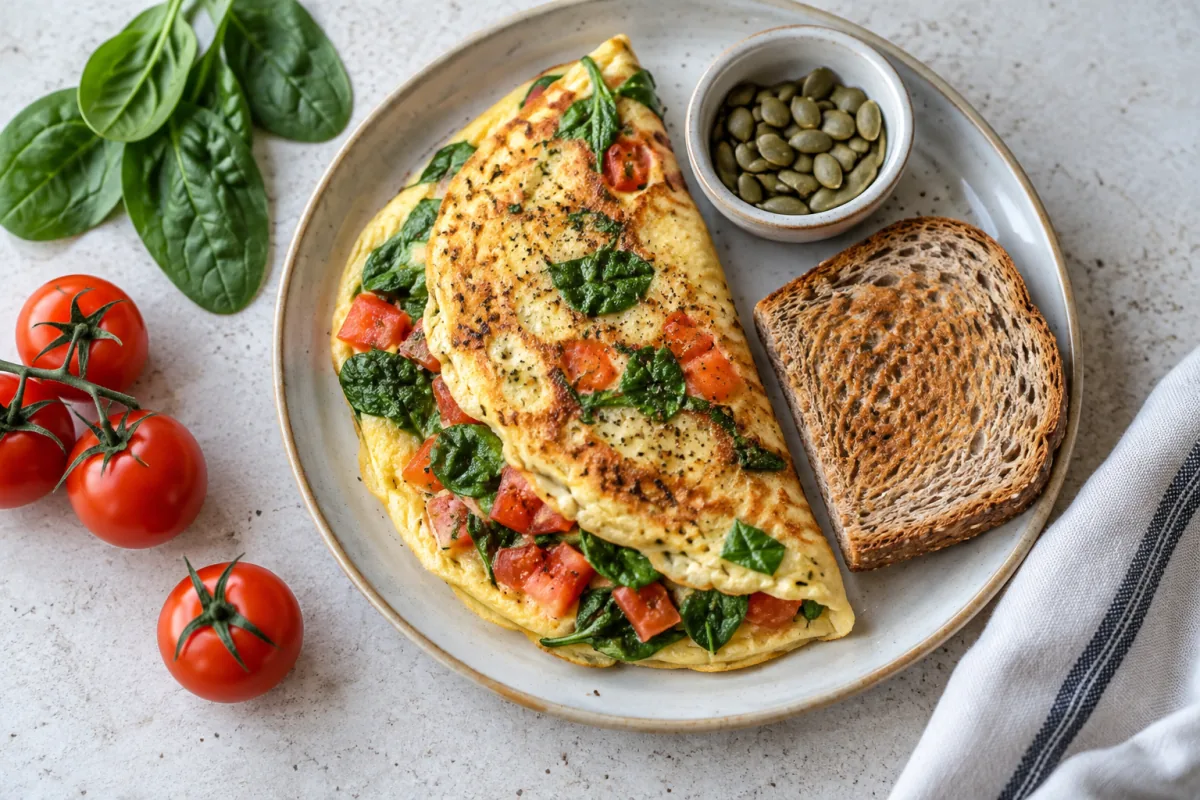
2. Spinach and tomato omelette (5 minutes)
Two eggs whisked with black pepper and a pinch of turmeric. Cook in a teaspoon of olive oil with a handful of spinach and a chopped tomato. Serve with a slice of wholegrain toast.
3. Yoghurt bowl with seeds and fruit (3 minutes)
Plain Greek yoghurt or hung curd, a tablespoon each of pumpkin seeds and flaxseed, sliced banana or orange segments, a sprinkle of cinnamon. Add a teaspoon of honey only if you need it.
4. Sardines on toast (4 minutes)
Wholegrain toast, mashed sardines from a tin, a squeeze of lemon, sliced tomato, black pepper. Unfashionable and one of the highest-omega-3 breakfasts you can eat.
5. Vegetable upma with peanuts (10 minutes)
Roasted semolina or, better, broken wheat or millet, cooked with onion, carrot, peas, ginger, curry leaves and mustard seeds in a little oil, finished with roasted peanuts and lemon. Use dalia or oats instead of rava for more fibre.
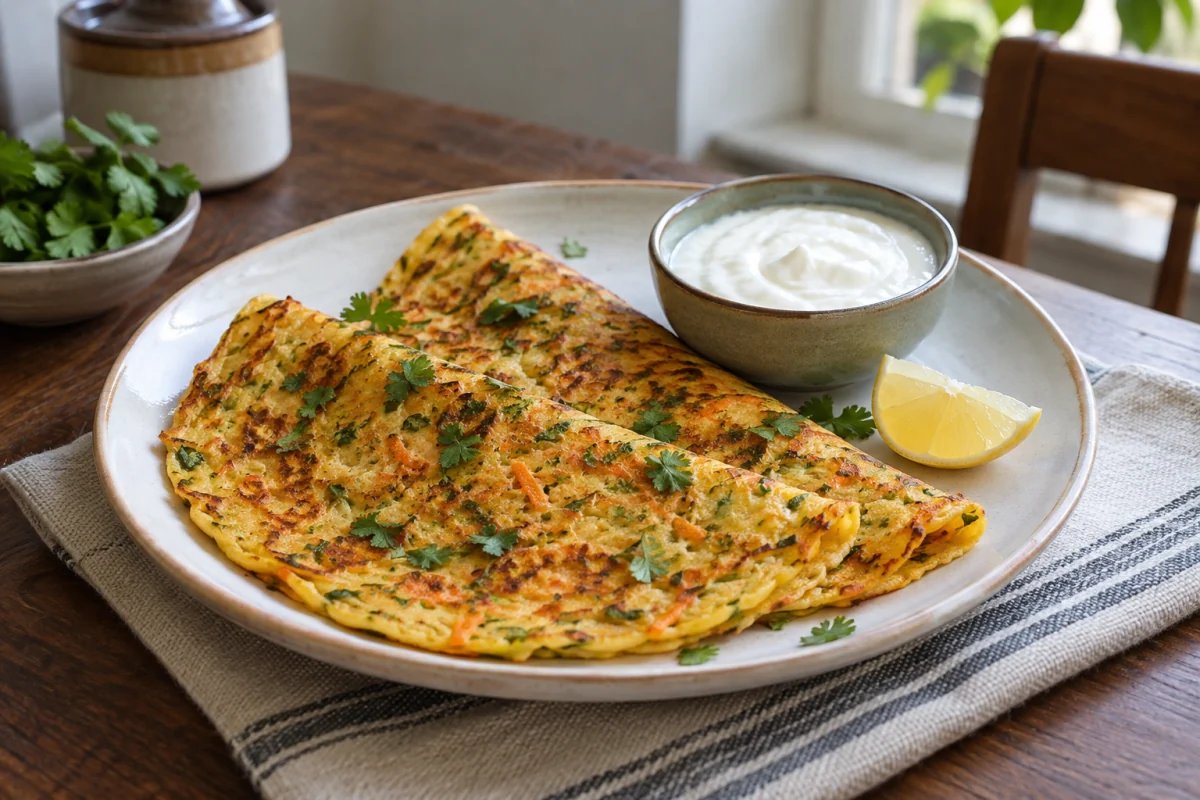
6. Moong dal chilla (8 minutes with soaked dal)
Soak yellow moong dal overnight, blend with ginger, green chilli and a pinch of turmeric, and cook like a pancake. Fill with grated carrot and coriander, serve with curd. High protein, high fibre, no refined flour.
7. Green smoothie (3 minutes)
A handful of spinach, half a banana, a cup of milk or curd, a tablespoon of flaxseed, a small piece of fresh ginger, ice. Keep fruit to one portion so it does not become a sugar drink.
8. Avocado or hummus toast with seeds (4 minutes)
Wholegrain toast, mashed avocado or a thick layer of hummus, chilli flakes, a squeeze of lemon, a tablespoon of mixed seeds. Add a boiled egg for more protein.
9. Warm turmeric porridge (5 minutes)
Oats cooked in milk with a quarter teaspoon of turmeric, a pinch of black pepper (which improves curcumin absorption), grated ginger and cinnamon. Top with chopped almonds and a few dates.
10. Poha with vegetables and peanuts (10 minutes)
Rinsed flattened rice with onion, peas, turmeric, mustard seeds, curry leaves and a good handful of peanuts, finished with lemon and coriander. Choose red or brown poha for more fibre.
Batch prep that makes the 10-minute promise real
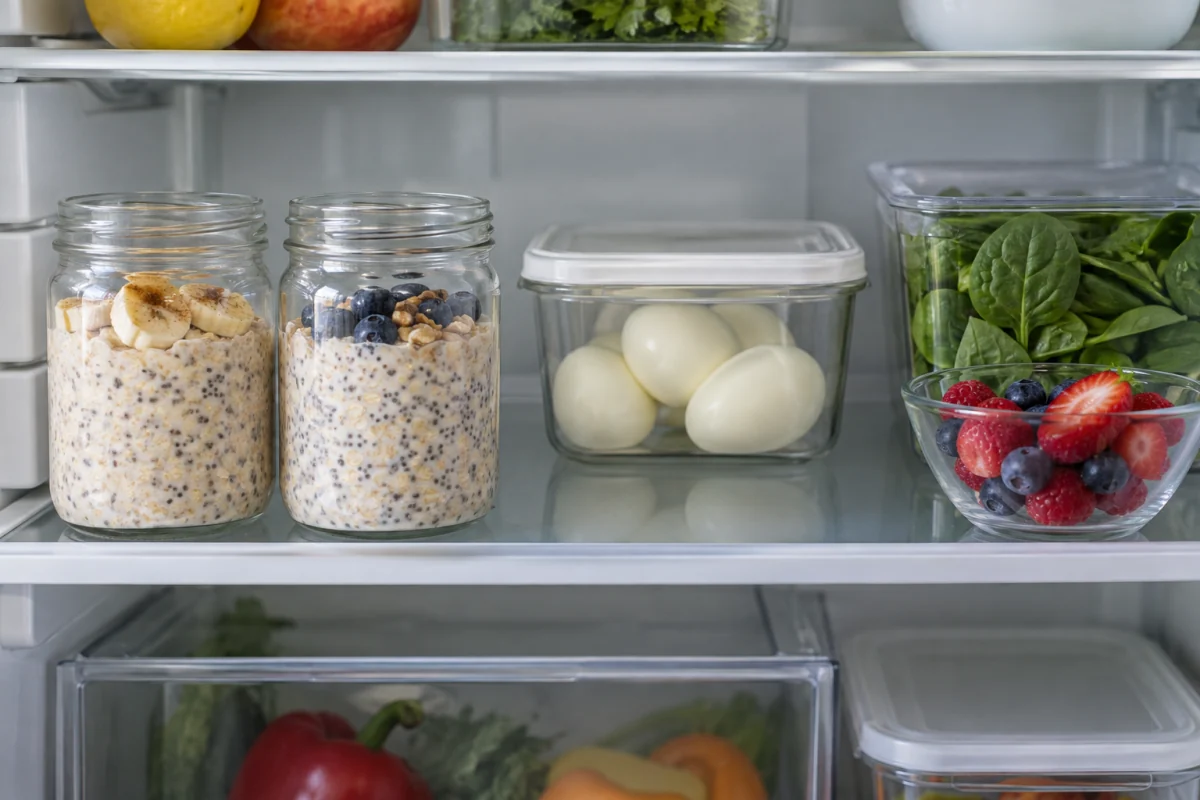
- Sunday and Wednesday: boil six eggs, soak two jars of overnight oats, wash and dry a bag of spinach.
- Once a week: mix a jar of seeds and chopped nuts so topping a bowl is one scoop.
- Freezer: berries, chopped banana, cooked and cooled dal batter.
- Pantry: tinned sardines, oats, nut butters with no added sugar, spices.
A good grocery template for all of this is our Mediterranean diet grocery list, which overlaps almost entirely with the anti-inflammatory pattern. For a longer list of foods with supporting evidence, see 10 anti-inflammatory foods that actually work.
What to leave off the plate
- Sugary cereals and flavoured instant oats. Many carry 15 to 25 g of sugar a serving. Buy plain and add your own fruit.
- Fruit juice. The fibre is gone and the sugar remains. Eat the orange.
- Processed meat. Bacon and sausages are consistently linked to higher inflammatory markers. Eggs, fish or legumes do the protein job better.
- White bread, maida parathas, pastries. Refined flour spikes blood sugar. Whole wheat, millet or sourdough are better bases.
- Flavoured yoghurts. Often as sweet as dessert. Plain plus fruit gives you control.
Cutting added sugar at breakfast is often the biggest single change. Our post on what happens when you stop eating sugar describes how the first weeks feel.
Common mistakes
- Turning a healthy bowl into dessert. Honey, granola, dried fruit and a banana on top of yoghurt can add 40 g of sugar. One sweet element is enough.
- Skipping protein. A fruit-only smoothie leaves you hungry by 10am. Add yoghurt, eggs, dal or nuts.
- Expecting turmeric to do the work. The amount in a meal is small. It is a flavour with a possible bonus, not a treatment.
- Buying “anti-inflammatory” packaged products. The label is marketing. Check the sugar and fibre lines instead.
- Going from zero fibre to 15 g at breakfast overnight. Build up over two weeks to avoid bloating.
Who this is not for
These breakfasts suit healthy adults looking to improve their overall eating pattern. They are not a treatment for rheumatoid arthritis, inflammatory bowel disease, gout or any diagnosed inflammatory condition, all of which need medical management, and some of which have specific dietary restrictions that may conflict with the suggestions here. Anyone with a nut, egg, dairy or fish allergy should substitute accordingly. People with kidney disease should ask about nuts, seeds and high-potassium fruit. If you have persistent joint pain, unexplained fatigue, swelling or digestive symptoms, see a doctor before changing your diet; food may help alongside treatment but it is not a substitute for a diagnosis.
Frequently asked questions
What is the best anti-inflammatory breakfast?
There is no single best. Any combination of wholegrains or legumes, a protein source, fruit or vegetables and a source of omega-3 fats fits the pattern. Overnight oats with berries and walnuts is the easiest to start with.
Are eggs inflammatory?
For most people, no. Eggs are a good protein source and studies do not show a meaningful effect on inflammation markers in healthy adults. Cook them in olive oil rather than butter for the best fat profile.
Is oatmeal anti-inflammatory?
Oats contain beta-glucan fibre and polyphenols that are associated with lower inflammatory markers as part of a healthy diet. Plain rolled or steel-cut oats are better than sweetened instant varieties.
How much turmeric should I add?
A quarter to half a teaspoon in a meal is the usual culinary amount, with a pinch of black pepper. Larger doses in supplement form should be discussed with a doctor, especially if you take blood thinners.
Can breakfast alone reduce inflammation?
One meal has a small effect. The benefit comes from the whole day’s pattern, along with sleep, activity and not smoking.