
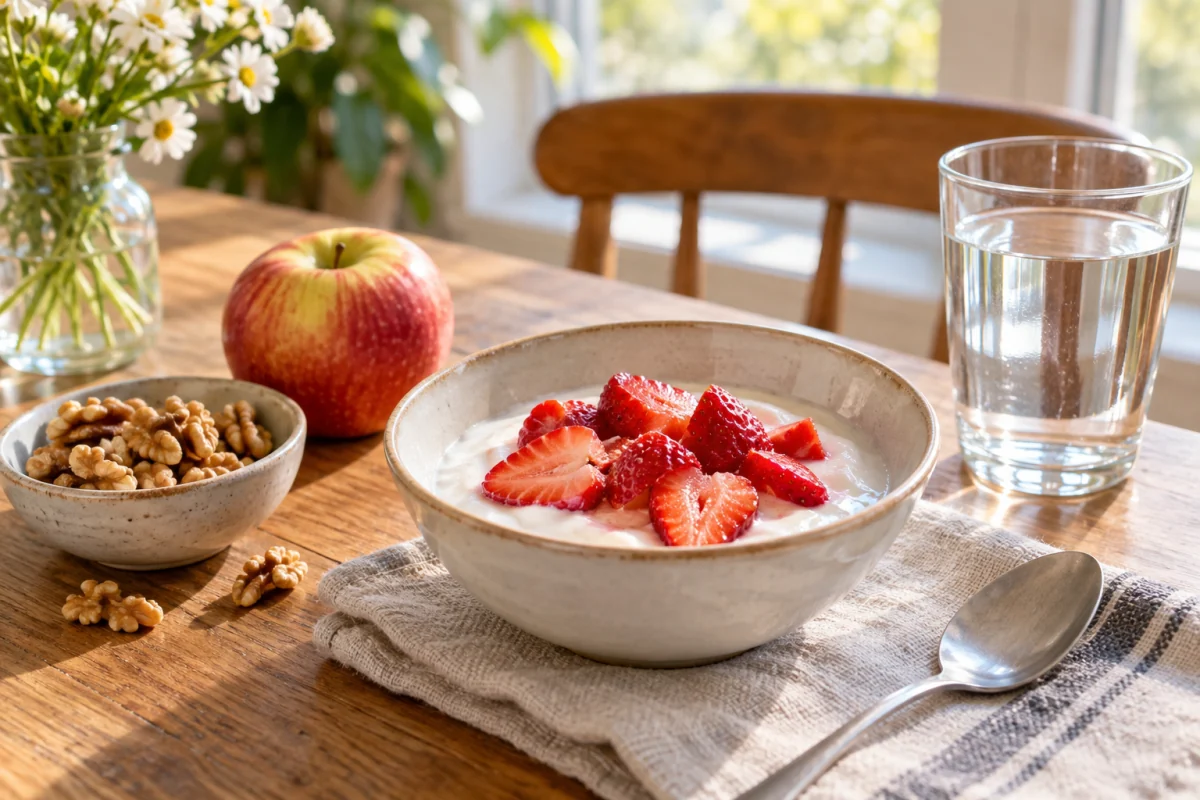
Stop eating added sugar for 30 days and most people go through a predictable arc: three to five rough days of cravings, headaches and irritability, a second week where energy steadies and the cravings fade, and by the end of the month a noticeably changed palate, steadier afternoons and, for many, a modest drop in weight and waist size. The size of the effect depends on how much sugar you were eating before. This guide walks through what to expect week by week, what the research supports and what it does not, how to run the 30 days without misery, and who should talk to a doctor before trying it.
Table of Contents
Key takeaways
- “Added sugar” means sugar put into food and drink, plus honey, syrups and juice. Whole fruit and plain dairy are not the target.
- Days 2 to 5 are the hardest. Cravings, headaches and low mood usually fade by day 7 to 10.
- By week three, sweet foods taste sweeter and afternoon energy crashes are less common.
- Typical 30-day results: 1 to 3 kg lost if you were drinking a lot of sugar, less if you were not. Skin and sleep improvements are commonly reported but less well studied.
- People with diabetes on medication, a history of eating disorders, or who are pregnant should check with a doctor first.
What counts as sugar for this purpose
The World Health Organization uses the term “free sugars”: all sugars added to foods by manufacturers, cooks or you, plus the sugars naturally present in honey, syrups, fruit juice and fruit concentrates. The WHO healthy diet fact sheet recommends keeping free sugars under 10 percent of daily energy, and suggests that under 5 percent, about 25 g or six teaspoons a day, brings extra benefit. The NHS guidance on sugar uses a 30 g daily limit for adults.
A 30-day reset means cutting free sugars to close to zero. Whole fruit, plain milk, curd and vegetables keep their natural sugars and stay in. That is an important distinction. Cutting fruit removes fibre and nutrients and is not what the evidence supports.
Where the sugar hides: soft drinks and packaged juices, sweetened tea and coffee, biscuits, breakfast cereals, flavoured yoghurt, ketchup and many sauces, packaged bread, “healthy” granola bars, and most things labelled low-fat.
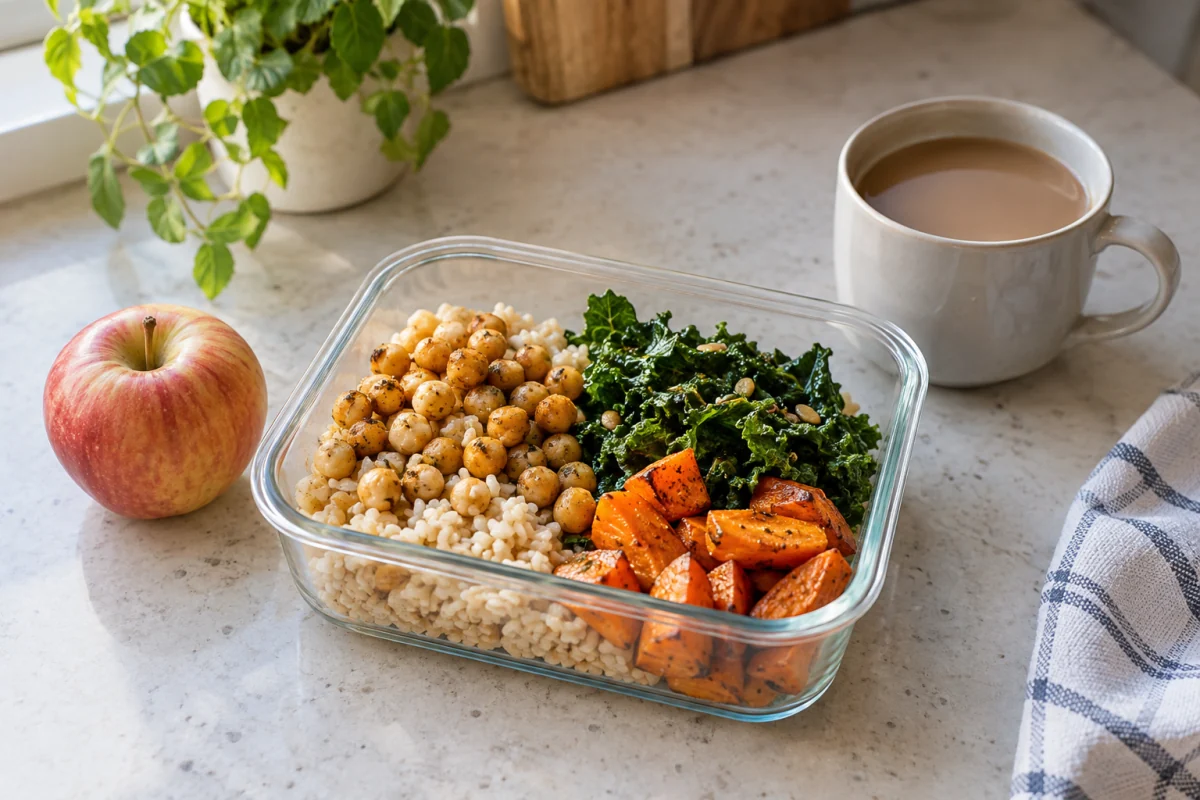
Week by week: what to expect
Days 1 to 3: the honeymoon and the first cravings
Day one is often easy. By the evening of day two, the habit loop kicks in. Cravings after meals, a pull towards the biscuit tin at 4pm, and a sense that something is missing. Headaches are common, partly from caffeine changes if you have also dropped sweet coffee, partly from the shift in how quickly your body accesses energy.
Days 4 to 7: the low point
Irritability, tiredness and vivid cravings peak. Some people report poor sleep and a low mood. This is the stretch where most attempts fail. It passes. Eating regular meals with protein and fat, and having fruit available, gets most people through.
Days 8 to 14: levelling out
Cravings become occasional rather than constant. Energy through the afternoon becomes steadier because blood sugar is no longer spiking and dropping after sweetened drinks and snacks. Many people notice they are less hungry between meals.
Days 15 to 21: taste changes
This is the week people find most surprising. Fruit tastes very sweet. A biscuit, if you try one, tastes almost unpleasant. Plain yoghurt stops tasting sour. The taste receptors adapt to the lower baseline within about two to three weeks.
Days 22 to 30: the new normal
The habit of reaching for something sweet has faded. Weight may have dropped, mostly if sugary drinks were a large part of the previous diet. Sleep is often reported as deeper, though the evidence here is mostly anecdotal. Skin improvements are commonly reported, with some supporting research on high-glycaemic diets and acne, though results vary widely.
What the evidence says about the results
| Reported change | How well supported | Notes |
|---|---|---|
| Weight and waist reduction | Good | Mainly from removing liquid calories; 1 to 3 kg in a month is typical |
| Steadier energy | Good | Fewer blood sugar swings |
| Reduced cravings | Good | Consistent in trials and experience |
| Lower triglycerides | Moderate | Seen when sugary drinks are removed |
| Better dental health | Strong | Sugar is the main driver of tooth decay |
| Clearer skin | Limited | Some evidence for low-glycaemic diets and acne |
| Improved mood | Mixed | Often worse in week one, better later |
| Better sleep | Anecdotal | Plausible but not well studied |
There is no good evidence that sugar is addictive in the way drugs are, and “sugar detox” products have no scientific basis. What is real is habit, taste adaptation and the effect of removing a lot of empty calories.

How to run the 30 days without misery
- Audit first. For two days before you start, read the label of everything you eat. Most people are shocked by where the sugar is. This makes the plan concrete.
- Clear the house. Willpower at 9pm is unreliable. Give away or bin the biscuits, sweets and sugary drinks.
- Replace, do not just remove. Sweet coffee becomes coffee with milk. Soft drinks become sparkling water with lime. The 4pm biscuit becomes an apple with peanut butter or a handful of nuts. Our list of high-protein snacks under 200 calories is designed for this slot.
- Eat enough at meals. Cravings are worst when you are under-fed. Protein, vegetables, wholegrains and some fat at every meal. Breakfast in particular sets the tone; see our breakfast ideas under 10 minutes.
- Keep fruit in. Two to three portions a day. It satisfies the sweet urge with fibre attached.
- Sleep. Short sleep increases sugar cravings the next day through hunger hormones. Protect seven hours.
- Plan for the low point. Days four to seven are hard. Schedule them for a quiet week, not a wedding weekend.
- Decide in advance what happens on day 31. The goal is not to never eat sugar again. It is to reset your baseline so that sugar becomes occasional rather than constant.
Common mistakes
- Swapping to artificial sweeteners. They keep the sweet habit alive and the taste reset does not happen. Some people also find they increase cravings.
- Cutting fruit. Unnecessary and counterproductive. Whole fruit is not the problem.
- Replacing sugar with refined carbohydrate. White bread, crackers and maida snacks spike blood sugar almost as fast. Wholegrains and legumes are the better swap.
- Going hungry. Under-eating makes week one far worse and often leads to a binge.
- Treating one slip as failure. A biscuit on day 12 does not undo eleven days. Carry on.
- Ignoring the gut. Sugary diets and gut bacteria interact; our guide to the worst foods for gut health explains why removing sugar and adding fibre together works best.
After day 30: what to keep
Most people settle on a middle ground: no sugary drinks, no sugar in tea and coffee, sweet foods as a deliberate treat a few times a week rather than a background habit. That pattern keeps free sugars comfortably within the WHO range without the rigidity of a permanent ban. The taste reset tends to hold as long as sugar stays occasional. It fades again within a few weeks if daily sweets return.
Who should talk to a doctor first
A 30-day cut in added sugar is safe for most healthy adults. Speak to a doctor first if you have diabetes and take insulin or other glucose-lowering medication, because your doses may need adjusting as intake changes. Avoid restrictive food rules altogether, or approach them with professional support, if you have a history of anorexia, bulimia or binge eating. If you are pregnant or breastfeeding, focus on balanced eating rather than elimination. And if you experience dizziness, shaking, confusion or fainting during the month, stop and seek advice; these are not normal sugar-withdrawal symptoms and can indicate low blood sugar or another problem.
Frequently asked questions
How long do sugar cravings last after quitting?
Intense cravings usually peak between days three and seven and fade noticeably by the end of the second week. Occasional cravings can persist but become easy to manage.
Will I lose weight if I stop eating sugar for 30 days?
If sugary drinks and snacks made up a large part of your diet, 1 to 3 kg in a month is typical. If your sugar intake was already low, the change may be small.
Can I eat fruit when cutting out sugar?
Yes. Whole fruit contains fibre, water and nutrients that slow sugar absorption. Fruit juice and dried fruit in large amounts are the exceptions.
Is honey or jaggery allowed?
Not during a strict 30 days. Both are free sugars and have the same effect on blood sugar as table sugar, despite the trace minerals in jaggery.
Why do I feel worse in the first week?
Your body and habits are adjusting. Headaches, tiredness and irritability are common and temporary. Eating regular, balanced meals reduces them.