
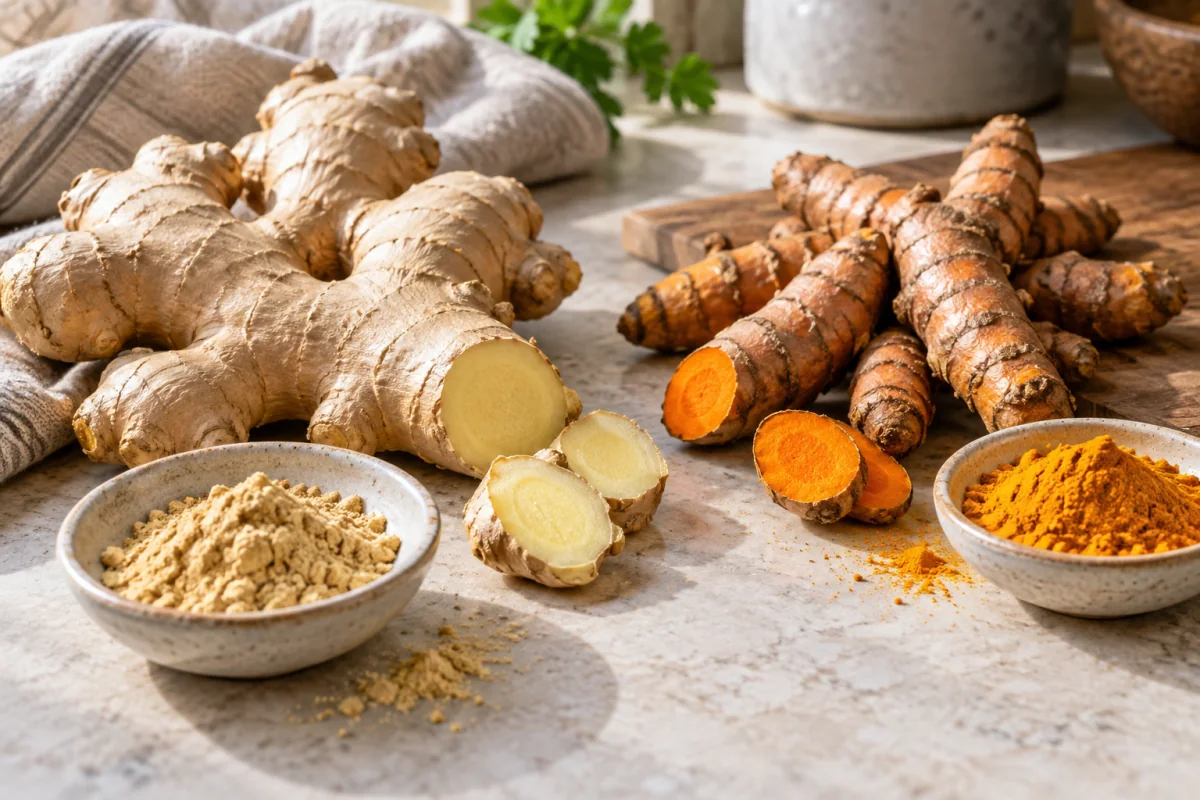
Ginger and turmeric are close relatives, and for everyday inflammation the honest answer is that neither is clearly “better”. Ginger has stronger human evidence for nausea and for mild osteoarthritis pain. Turmeric’s active compound, curcumin, has more studies overall but is absorbed so poorly that a cup of golden milk delivers very little of it. Both are safe as kitchen spices, both can interact with medicines at supplement doses, and neither treats a diagnosed inflammatory disease. This guide compares the two on evidence, practical use and safety, so you can decide what belongs in your kitchen rather than your medicine cabinet.
- Ginger: best evidence for nausea (pregnancy, motion, chemotherapy) and modest evidence for knee osteoarthritis pain.
- Turmeric: many trials on curcumin for joint pain with mixed results; absorption is the main problem.
- Fresh or dried spice in food is the sensible form for most people. Supplements are a separate conversation with a doctor.
- Both thin the blood slightly and can interact with anticoagulants, diabetes medicines and some others.
- Diet pattern, sleep and body weight move inflammation far more than either spice.
Table of Contents
Two roots, one family
Ginger (Zingiber officinale) and turmeric (Curcuma longa) both belong to the Zingiberaceae family and are grown across South and Southeast Asia. The rhizome, the knobbly underground stem, is the part used. Ginger’s main active compounds are gingerols and shogaols; turmeric’s are curcuminoids, of which curcumin is the best known. Both groups act on some of the same inflammatory signalling pathways in laboratory studies, which is where the “natural anti-inflammatory” label comes from.
The laboratory is where most of the impressive claims live. In a dish, curcumin blocks a long list of inflammatory molecules. In a person, most of it is broken down in the gut and liver before it reaches the bloodstream. That gap between test tube and body is the single most important thing to understand about turmeric.
Ginger: what the evidence says
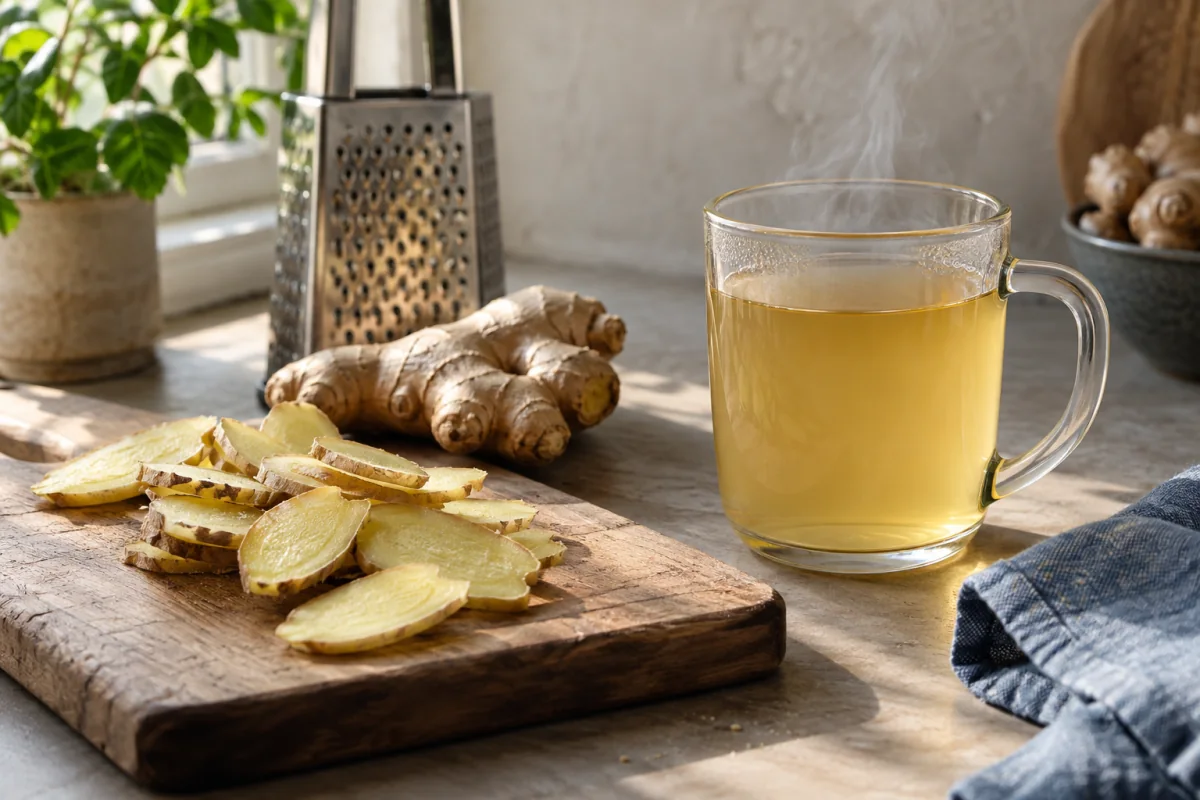
Ginger has one clear, well-replicated use: nausea. Multiple trials show it reduces nausea in early pregnancy, after surgery and during chemotherapy, and the National Center for Complementary and Integrative Health considers this the best-supported claim. Pregnant women should still confirm with their doctor or midwife before using it regularly.
For inflammation specifically, the strongest data are in knee osteoarthritis. Several trials using standardised ginger extracts found small reductions in pain and stiffness compared with placebo over 3 to 12 weeks. The effect is modest, roughly comparable to the low end of what over-the-counter painkillers achieve, and not every study agrees. There is also early evidence for reducing muscle soreness after exercise and for menstrual pain.
Practical points:
- Fresh ginger is high in gingerols; drying and cooking convert some to shogaols, which are more pungent and, in some studies, more active.
- A thumb-sized piece (about 10 g) grated into a curry, stir-fry or tea is a typical culinary amount.
- Most trials used 1 to 3 g of dried ginger a day, which is a lot more than a garnish but achievable in food.
Turmeric: what the evidence says
Turmeric has far more published trials than ginger, mostly using curcumin extracts rather than the spice. Results for joint pain are mixed: some studies show improvements similar to anti-inflammatory drugs, others show nothing beyond placebo, and the better-designed trials tend to show smaller effects. The National Center for Complementary and Integrative Health summarises that curcumin is poorly absorbed, that claims about its health benefits are largely unproven in people, and that some studies have been undermined by problems with the compound’s chemistry in the lab.
Absorption is the practical problem. Ground turmeric is roughly 3 percent curcumin, and most of that passes through unabsorbed. Two things help a little:
- Black pepper. Piperine, its active compound, slows the breakdown of curcumin in the liver. A pinch with turmeric is a standard combination in Indian cooking for good reason.
- Fat. Curcumin is fat-soluble, so turmeric cooked in oil, ghee or full-fat milk is absorbed better than turmeric stirred into water.
Even with both, a teaspoon of turmeric in a golden latte delivers a fraction of the dose used in trials. That does not make it useless as a food; it makes the “turmeric latte cured my arthritis” stories hard to credit.
Head to head
| Ginger | Turmeric | |
|---|---|---|
| Best-supported use | Nausea | None clearly established; joint pain most studied |
| Osteoarthritis pain | Small benefit in several trials | Mixed; some benefit with high-dose extracts |
| Absorption from food | Reasonable | Poor; better with pepper and fat |
| Typical culinary amount | 5 to 10 g fresh per serving | Half to one teaspoon ground per serving |
| Taste | Hot, sharp, citrusy | Earthy, slightly bitter, mild |
| Main safety issue | Blood thinning; heartburn at high doses | Blood thinning; gallbladder problems; supplement-linked liver injury reports |
| Cost | Low | Low as spice; supplements vary widely |
If you have to pick one for a specific purpose: ginger for a queasy stomach or sore knees, turmeric for the flavour and colour it brings to a lentil dish. For general anti-inflammatory eating, use both and put your effort into the rest of the plate. The foods with better evidence are in 10 anti-inflammatory foods that actually work.
Using both in real meals
Indian, Thai and East Asian cooking have paired these roots for centuries. Some easy routes in:
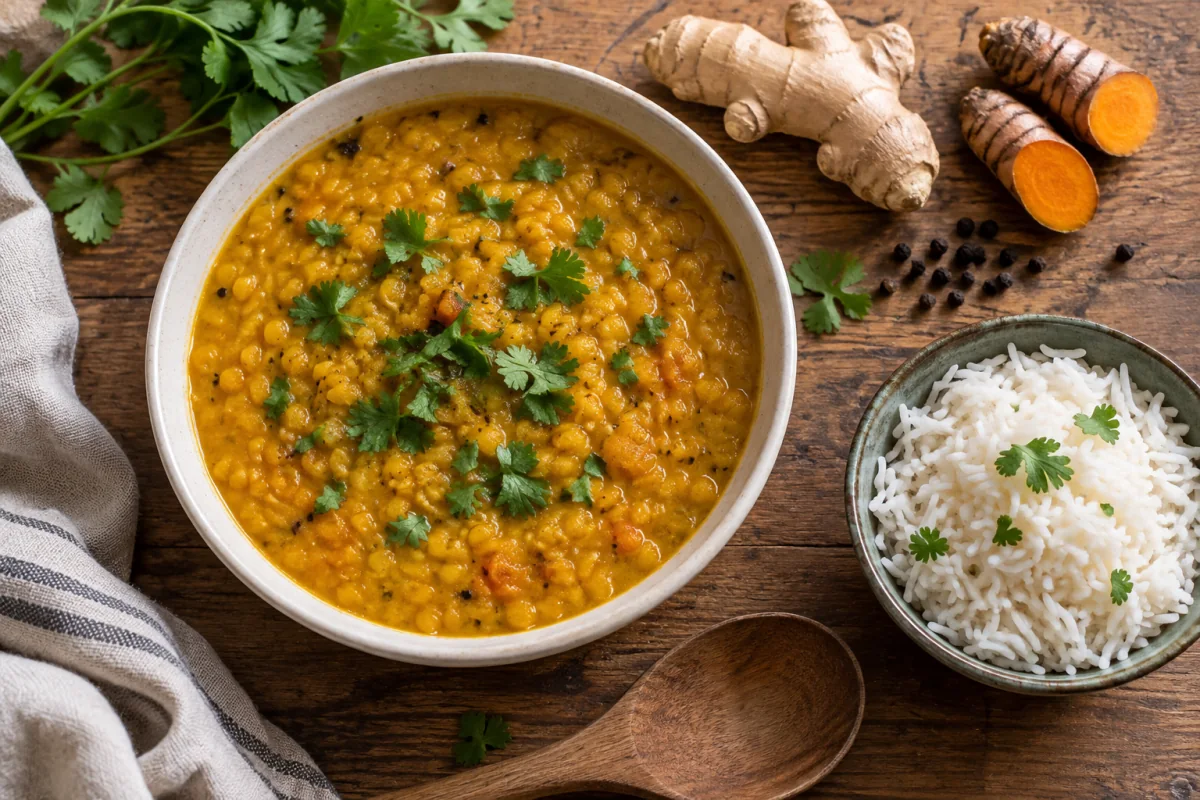
- Dal or lentil soup: fry half a teaspoon of turmeric and a teaspoon of grated ginger in ghee or oil with cumin before adding the lentils.
- Stir-fries: ginger, garlic and a pinch of turmeric in the oil first, vegetables second.
- Morning drink: simmer sliced fresh ginger for five minutes, add a quarter teaspoon of turmeric and a grind of pepper, and finish with lemon.
- Roasted vegetables: toss cauliflower or sweet potato in oil, turmeric, ginger powder and salt before roasting.
- Overnight oats or porridge: a little grated ginger and cinnamon; turmeric works in savoury oats with an egg.
Breakfast ideas that use these spices without turning into a supplement regime are in anti-inflammatory breakfast ideas.
Safety and interactions
As spices in normal cooking amounts, both are safe for nearly everyone. The cautions apply mainly to supplements and to very large daily amounts.
- Blood thinners (warfarin, apixaban, aspirin): both roots have mild antiplatelet effects. Supplement doses can add to bleeding risk. Tell your doctor if you take either regularly.
- Diabetes medication: ginger and curcumin may lower blood sugar slightly; the combination with medicines has not been well studied.
- Gallstones or bile duct problems: turmeric stimulates bile flow and is generally advised against in supplement form.
- Surgery: stop supplements of either at least two weeks before an operation.
- Liver: there have been reports of liver injury linked to high-dose curcumin supplements, particularly enhanced-absorption formulas. Food amounts are not implicated.
- Pregnancy: ginger in food and moderate amounts for nausea is widely used; turmeric supplements are not recommended. Check with a doctor or midwife.
- Heartburn: ginger above a few grams a day can cause reflux in some people.
The NHS balanced diet guidance makes no special claims for either spice, which is a useful reminder that they are seasoning, not treatment.
Common mistakes
- Buying high-dose curcumin capsules on the strength of a headline. If joint pain is bad enough to consider that, it is bad enough to see a doctor.
- Turmeric in water. Without fat and pepper you absorb almost none of it.
- Expecting results in days. Trials that showed benefit ran for 6 to 12 weeks.
- Treating them as a licence for the rest of the diet. A ginger shot does not offset a daily pastry.
- Ignoring the other big levers: sleep, regular movement, body weight and cutting sugary drinks all outperform any spice for inflammation.
Who this is not for
Anyone with rheumatoid arthritis, inflammatory bowel disease, lupus or another diagnosed inflammatory condition should treat these spices as food and nothing more. Their conditions need proper monitoring and medication, and delaying treatment while trying kitchen remedies can cause lasting damage. People on anticoagulants or with gallbladder disease should skip supplement forms entirely. If you are trying ginger for a sore throat rather than joints, the practical honey-based remedies in honey and cinnamon for sore throat are a better fit.
Frequently asked questions
Which is better for inflammation, ginger or turmeric?
Neither is clearly better. Ginger has more consistent human evidence for osteoarthritis pain; turmeric has more studies but poorer absorption and mixed results. Use both as food.
Can I take ginger and turmeric together?
Yes, in cooking they are a classic pairing. Taking both as supplements adds up their blood-thinning effects, so check with a doctor if you take any medication.
How much turmeric a day is safe?
Up to a couple of teaspoons a day in food is considered safe for healthy adults. Supplement doses are a different matter and should be discussed with a doctor, especially if you have liver or gallbladder issues.
Does black pepper really help turmeric absorb?
Yes. Piperine in black pepper slows curcumin’s breakdown, increasing the amount that reaches the bloodstream. Cooking turmeric in fat helps further.
Is fresh turmeric better than powder?
Fresh turmeric has a brighter flavour and slightly more volatile oils, but the curcumin content is similar by weight. Use whichever you will actually cook with.